Fixed Rate vs Adjustable Rate Mortgage: Which Is Right for You?
Choosing between a fixed rate and adjustable rate mortgage (ARM) is one of the biggest decisions you’ll make when buying a home. Get it right, and you could save tens of thousands over the life of your loan. Get it wrong, and you might face painful payment shocks down the road. Here’s how to pick the mortgage that matches your financial goals, risk tolerance, and timeline.
How Fixed Rate Mortgages Work
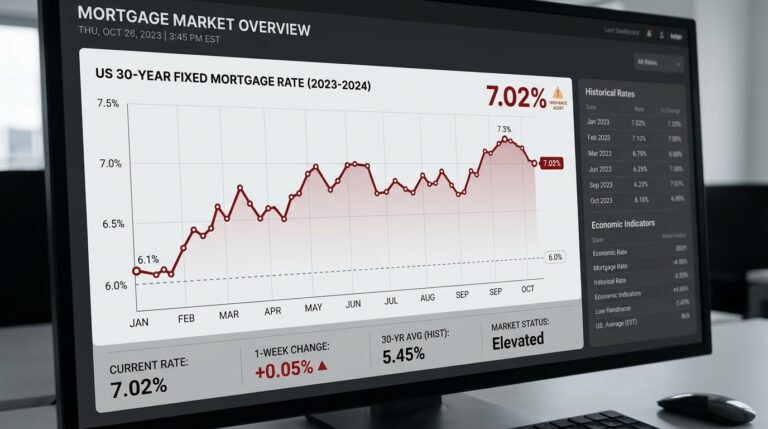
A fixed rate mortgage locks in your interest rate for the entire loan term. In 2026, the average 30-year fixed rate hovers around 6.5%, while 15-year fixed rates average 5.75%. Your principal and interest payment stays identical every month, which makes budgeting simple. Here’s the thing: you’ll pay more interest upfront compared to ARMs, but you’re protected if rates skyrocket later.
When Fixed Rates Shine
Consider a fixed rate mortgage if:
- You plan to stay in the home 10+ years
- Current rates are historically low (below 5%)
- You value payment stability over potential savings
How Adjustable Rate Mortgages Work
ARMs start with a fixed introductory period (typically 5, 7, or 10 years) at rates about 1-2% lower than fixed mortgages. After that, your rate adjusts annually based on an index like the SOFR (Secured Overnight Financing Rate). In 2026, a 5/1 ARM might start at 5.25% versus 6.5% for a fixed loan. Real talk: your payment could jump significantly when the adjustment period hits.
When ARMs Make Sense
An ARM might work if:
- You’ll sell or refinance before the adjustment period (under 7 years)
- You expect your income to rise substantially
- Current fixed rates are unusually high (above 7%)
Side-by-Side Comparison
Let’s compare a $400,000 loan:
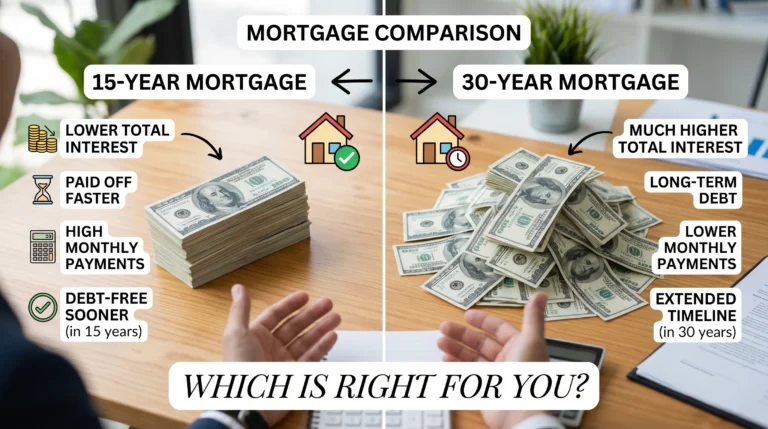
- 30-year fixed at 6.5%: $2,528/month, $510,000 total interest
- 5/1 ARM at 5.25%: Starts at $2,208/month (saves $320/month initially)
Bottom line: The ARM saves $19,200 in the first 5 years, but if rates jump to 8% at adjustment, your payment balloons to $3,074.
How to Decide Between Them
Ask yourself these three questions:
1. How long will you keep the home? If less than 7 years, an ARM’s lower initial rate often wins. Staying longer? Go fixed.
2. Can you handle payment increases? Run stress tests. Could you afford payments if they rose 40%?
3. What’s the rate difference? If ARMs are only 0.25% lower, the risk rarely justifies the reward.
Current Market Considerations for 2026
With economists predicting potential rate cuts in late 2026, some buyers opt for ARMs hoping to refinance later. But remember: refinancing costs 2-5% of your loan amount. Also watch for hybrid ARMs like 10/1 loans that give you a decade of fixed payments before adjusting.
Frequently Asked Questions
Can you switch from an ARM to a fixed rate later?
Yes, through refinancing. But you’ll need good credit and home equity, plus you’ll pay closing costs. In 2026, refinance fees typically run $4,000-$9,000.
How often do ARM rates adjust?
After the initial fixed period, most ARMs adjust annually. A 5/1 ARM means 5 years fixed, then adjustments every 1 year.
What’s the worst-case scenario for an ARM?
Your rate could hit the loan’s lifetime cap, often 5-6% above your initial rate. On that $400k loan at 5.25%, the maximum possible payment would be $3,724/month.
Do ARMs have prepayment penalties?
Most modern ARMs don’t, but always check your loan documents. Some loans charge fees if you refinance within 3 years.
Ready to choose? Mortgage rates change daily, so lock in your rate once you find the right loan type. Use online calculators to compare total costs, and don’t let short-term savings blind you to long-term risks. Your future self will thank you for thinking beyond just the monthly payment.