Mortgage Pre-Approval Explained 2026 | Finances News
Table of Contents
- Understanding Mortgage Pre-Approval: Your Key to Homeownership
- Mortgage Pre-Approval vs. Pre-Qualification: What’s the Difference?
- The Benefits of Obtaining a Mortgage Pre-Approval
- The Mortgage Pre-Approval Process Explained
- What Documents Do You Need for Mortgage Pre-Approval?
- Factors Affecting Your Mortgage Pre-Approval Amount
- Navigating the Market: Mortgage Pre-Approval in 2026
- Step-by-Step Action Plan for Your Mortgage Pre-Approval
- Conclusion: Empower Your Home Search with Mortgage Pre-Approval
- FAQs About Mortgage Pre-Approval
Obtaining a mortgage pre-approval is a crucial initial step for anyone looking to purchase a home. It essentially provides a strong indication of how much a lender is willing to lend you. Furthermore, it clarifies your budget before you even begin house hunting in earnest, saving you time and potential disappointment.
Understanding Mortgage Pre-Approval: Your Key to Homeownership
A mortgage pre-approval letter is a powerful document in the competitive real estate market. It signals to sellers and real estate agents that you are a serious and qualified buyer. Therefore, having a mortgage pre-approval can significantly strengthen your offer, especially in a multiple-bid situation. This formal commitment from a lender is based on a thorough review of your financial information. Moreover, it outlines the specific loan amount, interest rate, and terms for which you qualify. Consequently, this detailed assessment brings clarity and confidence to your home buying journey. Many successful home buyers prioritize getting a solid mortgage pre-approval before viewing properties. It provides peace of mind and clear financial boundaries.
Why Mortgage Pre-Approval Matters in Today’s Market
In today’s dynamic real estate landscape, securing a Finances News mortgage pre-approval is more critical than ever. Property values continue to fluctuate, and interest rates, while responsive to economic conditions, require buyers to be well-prepared. A strong mortgage pre-approval demonstrates your financial stability to sellers. This can give you a considerable edge over other potential buyers who might only have a pre-qualification. Therefore, it’s not just a suggestion; it’s practically a necessity for making a strong impression in 2026. This readiness ensures you can act quickly when the right home comes along.
Mortgage Pre-Approval vs. Pre-Qualification: What’s the Difference?
The terms mortgage pre-approval vs pre-qualification are often used interchangeably, but they represent very different stages in the home loan process. Understanding this distinction is vital for every prospective homeowner. A pre-qualification is a much more informal assessment. It involves a brief discussion with a lender about your income, debts, and assets. Based on this verbal or self-reported information, the lender provides an estimated loan amount. Critically, there’s no verification of your financial data at this stage. On the other hand, a mortgage pre-approval involves a comprehensive review of your financial standing. This includes verification of your credit history, income, assets, and employment. The lender performs a hard credit inquiry and scrutinizes your documentation. As a result, a mortgage pre-approval is a conditional commitment to lend, carrying much more weight than a pre-qualification. It is a more robust indicator of your borrowing power.
Comparison: Mortgage Pre-Approval vs. Pre-Qualification
| Feature | Mortgage Pre-Qualification | Mortgage Pre-Approval |
|---|---|---|
| Depth of Financial Review | Basic, often self-reported information | Thorough verification of income, assets, credit |
| Credit Check Type | Soft credit pull (usually) | Hard credit pull |
| Required Documentation | Minimal (verbal or simple forms) | Extensive (pay stubs, bank statements, tax returns) |
| Lender Commitment | No formal commitment, estimated amount | Conditional commitment to lend |
| Strength in Offers | Weak or little impact | Strong, preferred by sellers |
| Timeframe | Minutes to a few hours | Several days to a week |
| Cost Associated | Typically free | Typically free, but may involve appraisal fees later |
Why You Need Mortgage Pre-Approval for a Competitive Edge
Possessing a mortgage pre-approval offers a significant advantage in a competitive housing market. When you submit an offer on a home, sellers are more likely to consider bids from buyers with pre-approval. This is because a lender has already evaluated your financial capability, reducing the risk of the deal falling through. Consequently, you save time by focusing only on homes within your verified budget. It also gives you leverage during negotiations. A seller knows you’re serious and capable, increasing their confidence in your offer. Therefore, don’t underestimate the power of a solid mortgage pre-approval.
The Benefits of Obtaining a Mortgage Pre-Approval
Securing a mortgage pre-approval offers numerous tangible benefits that streamline your homebuying journey. Firstly, it sets a clear budget for your home search. You know exactly what you can afford, preventing you from looking at properties that are out of your financial reach. Secondly, it strengthens your negotiation position. Sellers often prefer pre-approved buyers because it indicates financial stability and a higher likelihood of closing the deal. Furthermore, it accelerates the homebuying process. When you find your dream home, you can make an offer quickly, often within hours, which is crucial in fast-moving markets. It eliminates delays associated with last-minute financial checks. Therefore, a mortgage pre-approval is an indispensable tool for efficient and successful home purchasing.
Setting Your Budget with Confidence Through Mortgage Pre-Approval
One of the most practical benefits of a mortgage pre-approval is gaining clarity on your exact budget. This clarity helps you focus your home search effectively. It prevents the emotional pitfall of falling in love with a home you cannot realistically afford. With a mortgage pre-approval in hand, you’ll feel more confident in your financial decisions. You will know the maximum loan amount you qualify for, allowing you to factor in other costs like closing fees and potential renovations. This financial roadmap ensures a smoother and less stressful purchasing experience. It truly provides a strong foundation for your budgeting efforts.
The Mortgage Pre-Approval Process Explained
The process for securing a mortgage pre-approval is comprehensive but straightforward. First, you’ll gather all necessary financial documents. This includes pay stubs, bank statements, tax returns, and details of any outstanding debts. Next, you’ll complete a formal loan application with your chosen lender. During this step, the lender will perform a hard credit inquiry, which temporarily impacts your credit score but is essential for an accurate assessment. Then, an underwriter reviews all your submitted documents and credit report. They verify your income, assets, and debt-to-income ratio. Finally, if everything aligns with the lender’s criteria, you receive your official mortgage pre-approval letter. This letter details your approved loan amount and any conditions. The entire process typically takes a few business days to a week, depending on how quickly you provide information.
What to Expect During Your Mortgage Pre-Approval Consultation
During your initial consultation for a mortgage pre-approval, the lender will ask about your financial history. They will inquire about your current income, employment situation, and existing debts. Be prepared to discuss your financial goals and any anticipated changes in your circumstances. This consultation is a good opportunity to ask questions about different loan options or specific eligibility requirements. The lender may provide a preliminary estimate based on this conversation. However, remember this estimate isn’t a final mortgage pre-approval. It’s merely a starting point for the more detailed process that follows. Always be honest and transparent with your financial data.
What Documents Do You Need for Mortgage Pre-Approval?
To secure a mortgage pre-approval, you will need to provide a range of financial documents. Although the exact list might vary slightly by lender, certain documents are universally required. Here’s a typical checklist:
- Proof of Income: This includes recent pay stubs (typically 30-60 days), W-2 forms (for the past two years), and if self-employed, tax returns (for the past two years) and profit & loss statements.
- Assets: Current bank statements (checking, savings, investment accounts) for the past 60-90 days, demonstrating funds for a down payment and closing costs.
- Debts: Statements for credit cards, auto loans, student loans, and any other outstanding debts. The lender assesses your debt-to-income ratio.
- Credit History: The lender will run a hard credit check during the mortgage pre-approval process. You should review your credit report beforehand for any inaccuracies.
- Identification: A valid government-issued ID, like a driver’s license or passport.
- Employment History: Contact information for your employer(s) for the past two years.
Streamlining Document Submission for Faster Mortgage Pre-Approval
To expedite your mortgage pre-approval, organize your documents beforehand. Create a dedicated folder, either physical or digital, for all financial statements. Respond promptly to any requests for additional information from your lender. Consider using digital platforms offered by lenders for secure document uploads. Being prepared and proactive minimizes delays. This efficiency ensures you receive your mortgage pre-approval quicker, positioning you to act fast when the perfect home appears. A smooth document submission process directly translates to a faster approval.
Factors Affecting Your Mortgage Pre-Approval Amount
Several critical factors influence the amount you’ll receive for your mortgage pre-approval. Lenders assess your financial profile comprehensively. Firstly, your credit score plays a significant role. A higher credit score generally indicates lower risk to lenders, leading to better interest rates and potentially higher loan amounts. Thus, good credit is essential. Secondly, your debt-to-income (DTI) ratio is crucial. This ratio compares your monthly debt payments to your gross monthly income. Lenders typically prefer a DTI ratio below 43%, though this can vary. Thirdly, your income and employment stability are paramount. Consistent income and a stable job history reassure lenders of your ability to make regular payments. Finally, the amount of your down payment and available assets also affect the pre-approval amount. A larger down payment reduces the loan-to-value ratio, making you a less risky borrower. All these elements combine to determine your ultimate mortgage pre-approval offer.
- Credit Score: Higher scores (e.g., 740+) can unlock better terms and loan amounts.
- Debt-to-Income Ratio: Calculated as total monthly debt payments divided by gross monthly income. Aim for below 36%, ideally below 43%.
- Income & Employment History: Two years of stable employment and consistent income are typically required.
- Assets & Down Payment: Funds for down payment, closing costs, and reserves improve your standing. A larger down payment can reduce risk and potentially increase the loan amount.
- Loan-to-Value (LTV) Ratio: The loan amount relative to the home’s value. A lower LTV (e.g., 80% with a 20% down payment) is more favorable.
Navigating the Market: Mortgage Pre-Approval in 2026
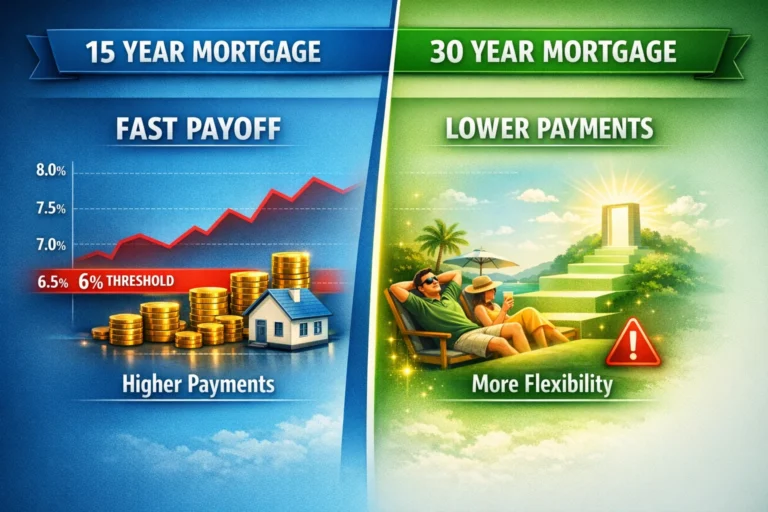
The housing market in 2026 continues to present unique challenges and opportunities. For this reason, securing a solid mortgage pre-approval is more relevant than ever. Interest rates, though variable, impact affordability. Consequently, knowing your pre-approved rate helps you calculate precise monthly payments. National average mortgage rates in early 2026 might hover around 6.5% for a 30-year fixed loan, though these are estimates and subject to change. Regional markets also show varying trends; therefore, local expertise remains crucial. Moreover, economic indicators and inflation forecasts will continue to shape lending standards. A prospective homeowner should therefore stay informed about these macroeconomic factors. They certainly influence the details of your eventual mortgage pre-approval and overall affordability. Staying informed is key to a successful purchase.
Staying Informed on Rates and Trends for Your Mortgage Pre-Approval
Keeping an eye on current mortgage rates is a smart move before and after getting your mortgage pre-approval. Although your pre-approval letter will state a specific rate, market conditions can shift. You can utilize free financial calculators to estimate potential monthly payments at different interest rates. Monitoring economic forecasts can also help you anticipate future rate movements. An informed buyer is a powerful buyer, especially when negotiating the final loan terms. This vigilance ensures you get the best possible deal. Furthermore, it helps you react quickly to market changes.
Step-by-Step Action Plan for Your Mortgage Pre-Approval
Embarking on the journey to homeownership requires a clear plan. Here’s a step-by-step action plan to successfully obtain your mortgage pre-approval:
- Check Your Credit Score: Obtain your credit report from all three major bureaus (Experian, Equifax, TransUnion). Review it for any errors and address them proactively. A good score strengthens your mortgage pre-approval.
- Gather Financial Documents: Compile all necessary paperwork. This includes pay stubs, W-2s, tax returns, bank statements, and investment account summaries. Being organized saves valuable time.
- Determine Your Budget: Use online calculators or consult with a financial advisor to understand what you can comfortably afford each month. This helps in setting realistic expectations for your mortgage pre-approval amount.
- Choose a Lender: Research different lenders (banks, credit unions, mortgage brokers). Compare their rates, fees, and customer service. Seek referrals and read reviews to find a reputable institution.
- Complete the Application: Submit a formal loan application with your chosen lender. Be thorough and accurate with all information provided. This triggers the official mortgage pre-approval process.
- Respond to Requests Promptly: The lender or underwriter may ask for additional documents or clarifications. Provide these promptly to avoid delays in receiving your mortgage pre-approval.
- Review Your Pre-Approval Letter: Once received, carefully examine the terms and conditions outlined in your mortgage pre-approval letter. Understand the loan amount, interest rate, and any special conditions.
Conclusion: Empower Your Home Search with Mortgage Pre-Approval
In summary, securing a mortgage pre-approval is far more than just an optional step; it’s a fundamental requirement for a successful and stress-free home purchase experience. It not only clarifies your budget but also significantly enhances your credibility as a buyer. Understanding the clear distinction between mortgage pre-approval vs pre-qualification empowers you to approach lenders confidently. Furthermore, it prepares you to make strong offers in a competitive market. By following a structured approach to gathering documents and working with a reliable lender, you set yourself up for success. Do not underestimate the power this document holds in making your homeownership dreams a reality. Take the initiative now to get your mortgage pre-approval and step into the housing market with confidence. Start your journey today!
FAQs About Mortgage Pre-Approval
What is the main difference between mortgage pre-approval and pre-qualification?
The main difference lies in the depth of verification. Mortgage pre-qualification is a quick, informal estimate based on self-reported information, often without a hard credit check. In contrast, a mortgage pre-approval involves a thorough verification of your financial documents and a hard credit inquiry, resulting in a conditional commitment from the lender for a specific loan amount. This makes a mortgage pre-approval much stronger.
How long is a mortgage pre-approval typically valid?
A mortgage pre-approval is usually valid for 60 to 90 days. This validity period allows you ample time to search for a home. If you haven’t found a home within that timeframe, you’ll need to re-submit updated financial information for a renewed mortgage pre-approval, as your financial situation or market rates might have changed.
Does getting a mortgage pre-approval affect my credit score?
Yes, obtaining a mortgage pre-approval involves a hard credit inquiry, which typically causes a small, temporary dip in your credit score. However, these inquiries are usually grouped if done within a short period (often 14-45 days), so multiple applications for a mortgage pre-approval will only count as one hard inquiry for scoring purposes.
Is a mortgage pre-approval a guaranteed loan?
No, a mortgage pre-approval is a conditional offer to lend, not a final guarantee. The final loan is subject to a property appraisal, a final review of your financial documents, and no significant changes in your financial situation (e.g., losing a job, taking on new debt). The house must also meet the lender’s underwriting standards.
What should I avoid doing after getting a mortgage pre-approval?
After receiving your mortgage pre-approval, avoid making any significant financial changes. This includes taking on new debt, making large purchases (like a new car or furniture), changing jobs, or making large cash deposits or withdrawals from your bank accounts. Any of these actions could jeopardize your final loan approval. Also, refrain from applying for new credit cards or loans, as this can impact your credit score and debt-to-income ratio. Remember to protect your mortgage pre-approval status at all costs.