
How to Refinance Your Mortgage and Save $300 a Month
If your current mortgage rate is above 5%, you could be throwing away hundreds of dollars every month. The average homeowner who refinanced in early 2026 saved $307 monthly, according to Freddie Mac data. That’s real money that could boost your emergency fund, pay down debt, or fund home improvements. Here’s how to determine if refinancing makes sense for you and exactly how to lock in those savings.
When Refinancing Makes Financial Sense
Real talk: Refinancing isn’t free. You’ll typically pay 2-5% of your loan amount in closing costs ($4,000-$10,000 on a $200,000 mortgage). To break even, you need to save enough in monthly payments to offset those fees. Use this simple formula:
- Closing costs ÷ Monthly savings = Break-even period
For example: $6,000 in closing costs ÷ $300 monthly savings = 20 months. If you plan to stay in the home longer than 20 months, refinancing pays off. Most experts recommend refinancing when you can lower your rate by at least 0.75%, though with today’s rates, even 0.5% might be worth it for larger loans.
Current Refinance Rates and Projections
As of March 2026, average refinance rates are:
- 30-year fixed: 5.375% (down from 6.125% last year)
- 15-year fixed: 4.625%
- 5/1 ARM: 4.125% (adjusts after 60 months)
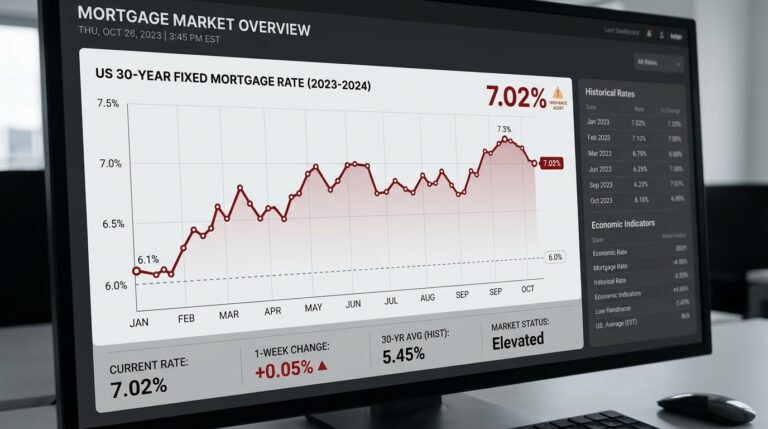
Here’s the thing: The Federal Reserve signaled potential rate cuts later in 2026, so if you’re not in a rush, waiting a few months might snag you an even better deal. However, if you’re sitting on a 7%+ rate from 2023-2024, today’s rates already offer significant savings.
Step-by-Step Refinancing Process
1. Check Your Credit Score
Scores above 740 qualify for the best rates. If yours is below 680, consider delaying to improve it (pay down debts, fix errors).
2. Shop Multiple Lenders
Compare at least 3-5 lenders including banks, credit unions, and online lenders. The same loan can vary by 0.5% between lenders.
3. Lock Your Rate
Once you find the best offer, lock the rate for 30-60 days (typical rate lock periods). This protects you if rates rise during processing.
4. Close With Minimal Fees
Negotiate lender credits to offset costs, or consider a “no-closing-cost” refinance (they roll fees into your loan balance).
Alternative Refinance Strategies
Beyond lowering your rate, consider these financial moves during refinancing:
- Shorten your term: Switching from a 30-year to 15-year mortgage often comes with a lower rate and builds equity faster.
- Cash-out refinance: Tap home equity (up to 80% of your home’s value) for high-interest debt consolidation or renovations.
- Remove PMI: If your home value increased, refinancing can eliminate private mortgage insurance payments.
Common Refinancing Mistakes to Avoid
Bottom line: Don’t rush into refinancing without considering these pitfalls:
- Extending your loan term just to lower payments (you’ll pay more interest long-term)
- Not factoring in how long you’ll stay in the home
- Failing to compare Loan Estimates (the standardized form all lenders must provide)
- Overlooking escrow account impacts (your property tax/insurance payments might change)
Frequently Asked Questions
How much does refinancing lower my payment with a 1% rate drop?
On a $300,000 loan, a 1% rate reduction (say, from 6% to 5%) saves about $180/month on a 30-year mortgage. Use a refinance calculator for your exact numbers.
Can I refinance with less than 20% equity?
Yes, but you’ll likely pay PMI. FHA and VA loans have more flexible requirements if you qualify.
Does refinancing restart the amortization schedule?
Unless you choose the same term as your current loan’s remaining years, yes. A new 30-year loan resets the clock, while a 15-year loan accelerates payoff.
How soon can I refinance after buying a home?
Technically, you can refinance immediately, but most lenders require 6-12 months of payments first. Waiting at least 12 months often yields better terms.
Time to take action: Rates won’t stay this low forever. If you’ve been in your home more than a year and your rate is above 5.5%, spend 15 minutes checking today’s rates. Many lenders offer online preapprovals that won’t affect your credit score. That $300/month savings could be just a few weeks away.