Gap Insurance: Do You Need It and Is It Worth the Cost?
You just drove your brand-new car off the lot, and suddenly, it’s worth thousands less. That’s depreciation for you. Now imagine totaling that car a month later. Your standard auto insurance will only pay the current market value, leaving you on the hook for the gap between what you owe and what the car’s worth. That’s where gap insurance comes in. But is it worth the cost? Let’s break it down so you can make an informed decision about protecting your vehicle and your wallet.
What Is Gap Insurance and How Does It Work?
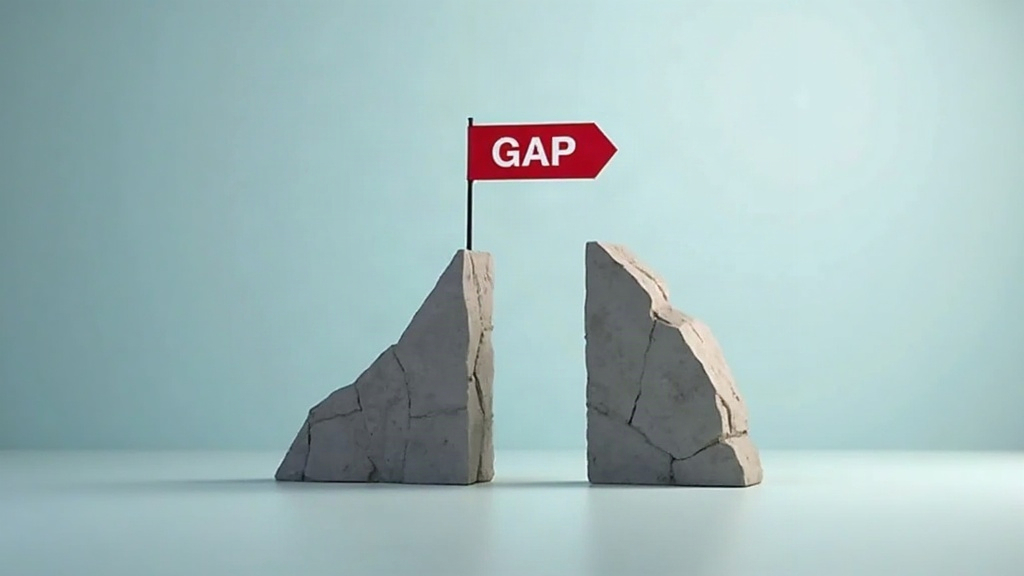
Gap insurance (guaranteed asset protection) covers the difference between your car’s actual cash value and the remaining balance on your loan or lease if it’s totaled or stolen. Here’s the thing: standard car insurance pays only the depreciated value, not what you originally paid. In 2026, the average new car loses about 20% of its value in the first year. So if you financed $30,000 and wrecked it 6 months later, your insurer might only pay $24,000. Without gap coverage, you’d owe $6,000 out of pocket.
Gap insurance typically kicks in when:
- Your car is totaled in an accident
- Your vehicle is stolen and not recovered
- The repair costs exceed a certain percentage of the car’s value (usually 75-80%)
Who Really Needs Gap Insurance?
Real talk: not everyone needs gap insurance. But it’s a smart move if any of these apply to you:
You’re leasing a vehicle: Most leasing companies require gap insurance because you don’t own the car. In 2026, about 30% of new cars are leased, making this a common scenario.
You put less than 20% down on a new car: With minimal equity upfront, you’re more likely to owe more than the car’s worth in the early years.
You financed for 60+ months: Longer loan terms mean slower equity buildup. A 2026 study showed 72-month loans now account for 45% of auto financing.
You bought a car that depreciates fast: Luxury vehicles and certain trucks lose value quicker. For example, a BMW 7 Series loses about 30% in the first year.
How Much Does Gap Insurance Cost?
Gap insurance typically costs between $20-$40 per year when added to your existing car insurance policy. If you buy it from the dealer, expect to pay $400-$700 as a one-time fee rolled into your loan. Bottom line: your insurer usually offers the better deal.
Let’s compare two scenarios for a $35,000 car with a 5-year loan:
- Dealer gap insurance: $600 one-time payment = $10/month over 60 months
- Insurer gap coverage: $30/year = $2.50/month
Over the life of the loan, the dealer option costs 4 times more. Plus, dealer coverage often cancels when you pay off the loan, while insurer coverage continues until you remove it.
When Should You Skip Gap Insurance?
Gap insurance isn’t always necessary. You can probably skip it if:
You put down 20% or more: This creates instant equity, reducing the chance you’ll owe more than the car’s value.
Your loan term is 36 months or less: Shorter terms mean faster equity buildup. You’ll likely owe less than the car’s worth within a year.
You’re buying used: Used cars depreciate slower. A 3-year-old car only loses about 10-15% annually versus 20% for new.
You can cover the potential gap yourself: If you have savings to handle a $5,000-$10,000 unexpected expense, gap insurance might not be worth the cost.
How to Get the Best Deal on Gap Insurance
Follow these steps to ensure you’re getting proper coverage at the right price:
1. Check your current auto policy first: Many insurers offer gap coverage for just $20-$40 annually. USAA and State Farm consistently rank as the most affordable options.
2. Negotiate dealer prices: If you prefer dealer coverage, know that prices aren’t fixed. In 2026, successful negotiators reported getting dealer gap insurance for as low as $300.
3. Time your cancellation right: Once your loan balance drops below your car’s value, cancel gap coverage to stop paying for protection you no longer need.
4. Read the fine print: Some policies exclude certain drivers or charge deductibles. Make sure you understand all terms before committing.
Frequently Asked Questions
Does gap insurance cover my deductible?
No, gap insurance doesn’t cover your comprehensive or collision deductible. You’ll still need to pay that amount out of pocket before either your standard insurance or gap coverage kicks in.
Can I buy gap insurance after purchasing my car?
Yes, but there’s usually a time limit. Most insurers require you to add gap coverage within 12 months of buying a new car or within 30 days for a used vehicle. After that, you might not qualify.
Does gap insurance cover negative equity from a trade-in?
Sometimes. If you rolled $5,000 from an old loan into your new one, some gap policies will cover that amount while others won’t. Always verify this before purchasing.
Is gap insurance required by law?
No, gap insurance isn’t legally required in any state. However, some lenders or leasing companies may require it as part of your financing agreement.
At the end of the day, gap insurance is about peace of mind. For less than the cost of a monthly coffee run, you could save yourself from a financial nightmare if your new car gets totaled. Review your loan terms, check your equity position, and compare prices from different providers. Then decide whether this extra layer of protection makes sense for your situation. Ready to check your current coverage? Contact your insurance provider today for a quick gap insurance quote tailored to your vehicle and loan details.