7 Ways to Unlock Car Insurance Savings in 2026
As an experienced financial advisor for Finances News, I understand that rising costs are a constant concern for many households. Among these, car insurance premiums often stand out as a significant annual expense. The good news is that with a proactive approach and a clear strategy, you can achieve substantial car insurance savings by 2026. This comprehensive guide will equip you with seven impactful ways to lower your premiums, helping you navigate the complexities of auto insurance to find more affordable coverage without compromising protection.
Table of Contents
- Optimize Your Deductible for Maximum Car Insurance Savings
- Bundle Policies for Significant Insurance Discounts
- Leverage Telematics and Usage-Based Insurance (UBI) Programs
- Improve Your Driving Record and Credit Score
- Re-evaluate Your Coverage Needs Annually
- Shop Around Aggressively for Cheap Car Insurance
- Utilize Every Available Discount: Your Key to Car Insurance Savings
- FAQs
Optimize Your Deductible for Maximum Car Insurance Savings
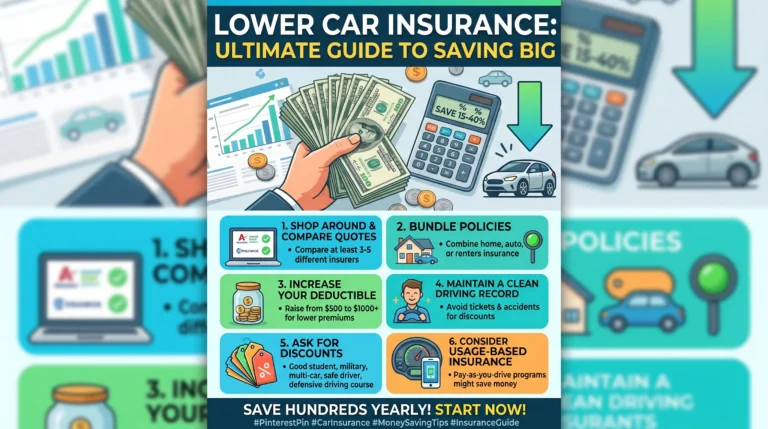
One of the most direct methods for achieving car insurance savings is by adjusting your deductible. Your deductible is the amount you pay out-of-pocket before your insurance coverage kicks in after a claim. Generally, a higher deductible translates to a lower premium, and vice-versa. While it might seem counterintuitive to opt for a higher out-of-pocket cost, consider your financial situation and driving habits.
Real-World Scenario: Meet Sarah, a 30-year-old financial analyst. For years, she maintained a $500 deductible on her comprehensive and collision coverage. After reviewing her finances with a financial advisor, she realized she had a healthy emergency fund of $10,000. Her advisor suggested increasing her deductible to $1,000. This change alone reduced her annual premium by nearly $200. Sarah understood that while she would pay more if she had an accident, the likelihood was low given her excellent driving record, and the savings accumulated quickly. This strategic move is one of many effective auto insurance tips for those with robust emergency savings.
Before making this change, ensure you have sufficient funds readily available to cover the higher deductible if an incident occurs. This strategy only works if you can comfortably absorb the initial cost.
Bundle Policies for Significant Insurance Discounts
Insurance providers love customer loyalty, and they reward it handsomely. One of the most common and effective ways to secure substantial insurance discounts is by bundling multiple policies with the same provider. This could include combining your auto insurance with homeowners, renters, life, or even umbrella insurance.
The savings from bundling can be quite significant, often ranging from 10% to 25% or more on your total insurance spend. Many insurers offer a multi-policy discount that applies to each linked policy. It simplifies your financial life by consolidating bills and contact points, and it can be a cornerstone of your cheap car insurance strategy.
Leverage Telematics and Usage-Based Insurance (UBI) Programs
The digital age has brought forth innovative ways to personalize your insurance premiums. Telematics, often known as Usage-Based Insurance (UBI), involves installing a small device in your car or using a mobile app to monitor your driving habits. This data can include factors like mileage, acceleration, braking, cornering, and the time of day you drive.
If you’re a safe driver with consistent habits and lower mileage, UBI programs can lead to significant auto insurance tips and discounts. Some programs offer an initial discount just for enrolling, with further savings based on your driving performance. This is particularly beneficial for those who work from home or drive less frequently. By 2026, these programs are expected to become even more sophisticated and widely adopted, making them a crucial tool for car insurance savings.
Improve Your Driving Record and Credit Score
Your driving record is arguably the most influential factor in determining your car insurance premiums. A clean driving record – free of accidents, speeding tickets, or other moving violations – signals to insurers that you are a low-risk driver. As a result, you are rewarded with lower premiums. Focusing on safe driving practices is, therefore, a foundational piece of any strategy for cheap car insurance.
Similarly, your credit score plays a significant, often overlooked, role in insurance pricing in many states. Insurers use credit-based insurance scores as a predictor of how likely you are to file a claim. A higher credit score typically indicates financial responsibility, which statistically correlates with fewer claims. Paying bills on time, keeping credit utilization low, and monitoring your credit report can lead to a better credit score and, consequently, better car insurance rates. Improving both your driving record and credit score are excellent auto insurance tips for long-term savings.
| Factor | Impact on Premium | Action to Improve |
|---|---|---|
| Deductible | Higher deductible = Lower premium | Increase deductible if emergency fund is robust. |
| Bundling Policies | Multiple policies = Significant discounts (10-25%) | Combine auto with home/renters/life insurance. |
| Driving Record | Clean record = Lower premium | Maintain safe driving habits, avoid violations. |
| Credit Score | Higher score = Lower premium | Pay bills on time, reduce debt utilization. |
| Telematics Usage | Safe driving/low mileage = Potential discounts | Enroll in UBI programs, drive cautiously. |
Re-evaluate Your Coverage Needs Annually
Life changes, and so should your insurance coverage. Many people set their auto insurance once and forget about it, potentially paying for coverage they no longer need or missing out on opportunities for insurance discounts. Take time annually to review your policy with your agent or insurer.
- Vehicle Age: As your car ages, its value depreciates. At some point, the cost of comprehensive and collision coverage might outweigh the potential payout if the car is totaled. Consider dropping these coverages or increasing your deductible significantly for older vehicles to secure cheap car insurance.
- Driving Habits: Has your commute changed? Are you driving fewer miles? Less time on the road often means less risk, which can lead to lower premiums.
- Life Events: Getting married, buying a home, or having children can all impact your insurance needs and eligibility for discounts.
Always ensure you meet your state’s minimum liability requirements, but don’t overpay for coverage that isn’t cost-effective for your current situation. This proactive review is one of the most effective auto insurance tips you can implement.
Shop Around Aggressively for Cheap Car Insurance
Loyalty is commendable, but sometimes it costs you money. Insurance companies frequently adjust their pricing models, and the best deal you found a few years ago might no longer be the most competitive. Make it a habit to shop around and compare quotes from at least three to five different insurance providers every 12 to 24 months, or whenever your policy is up for renewal.
Don’t just look at the premium; compare the coverage limits, deductibles, and included benefits. Use online comparison tools, but also consider contacting independent insurance agents. They work with multiple carriers and can often find tailored solutions and reveal hidden insurance discounts you might not discover on your own. This aggressive shopping can unlock significant car insurance savings and is paramount to finding cheap car insurance.
Utilize Every Available Discount: Your Key to Car Insurance Savings
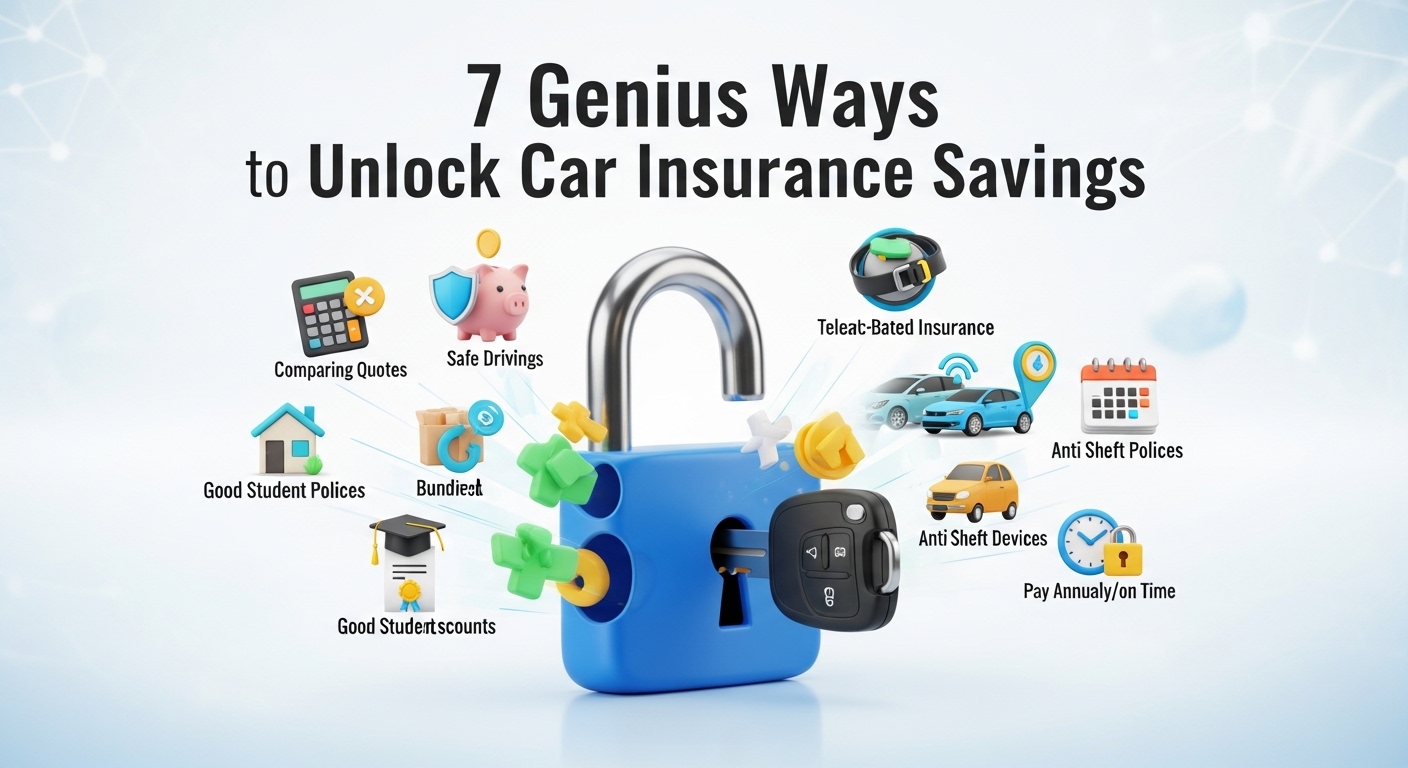
Most insurers offer a plethora of discounts that policyholders often overlook. Being proactive about asking for and applying these can dramatically reduce your premiums. Here are some common and effective insurance discounts to inquire about:
- Multi-Car Discount: Insuring more than one vehicle with the same company.
- Good Student Discount: For young drivers maintaining a B average or higher.
- Defensive Driving Course Discount: Completing an approved safety course.
- Low Mileage Discount: For drivers who don’t drive many miles annually.
- Anti-Theft Device Discount: Having an alarm, car tracking, or other anti-theft features.
- Paperless Billing/Autopay Discount: Setting up automatic payments and receiving documents electronically.
- Homeowner Discount: Some insurers offer a discount if you own a home, even if your home insurance is with a different company.
- Affinity/Group Discounts: Being a member of certain alumni associations, professional organizations, or employer groups.
Always ask your agent to review all available discounts for which you might qualify. A few minutes of inquiry can translate into significant car insurance savings.
Conclusion
Lowering your car insurance premiums by 2026 is an achievable goal with a strategic and consistent approach. By optimizing your deductible, bundling policies, embracing telematics, maintaining a stellar driving and credit record, regularly reassessing your coverage needs, shopping around diligently for auto insurance tips, and maximizing every available discount, you can unlock substantial car insurance savings. Take control of your auto insurance expenditures, and ensure you’re getting the best possible coverage at the most competitive price. Your wallet will thank you.
How often should I shop for new car insurance quotes?
As a best practice, you should shop for new car insurance quotes at least once every 12 to 24 months, or whenever your policy is up for renewal. Additionally, major life events such as getting married, moving, buying a new car, or adding a new driver to your policy are excellent times to compare quotes as they can significantly impact your rates and eligibility for new insurance discounts.
Will increasing my deductible always lower my car insurance premium?
Generally, yes, increasing your deductible will almost always lower your car insurance premium. This is because you are taking on more financial risk in the event of a claim, and the insurance company is taking on less. However, it’s crucial to ensure you have sufficient emergency savings to cover the higher deductible comfortably if you need to file a claim. If you can’t afford the higher out-of-pocket cost, the potential premium savings might not be worth the financial risk.
Are telematics (UBI) programs safe for my privacy?
Most reputable insurance companies have strict privacy policies regarding the data collected through telematics programs. They typically use the data to calculate premiums and potentially offer feedback on driving habits. While the data usually includes location and driving behavior, it is generally anonymized and aggregated for analysis. Always review the specific privacy policy of the insurer’s UBI program before enrolling to understand exactly what data is collected and how it will be used.
Can taking a defensive driving course really save me money on car insurance?
Yes, in many cases, completing an approved defensive driving course can lead to insurance discounts. Insurers view these courses as a sign that you are committed to safe driving and reducing your risk of accidents. The specific discount percentage varies by insurer and state, but it’s a common and effective way to secure additional savings, especially if you have points on your license or are a younger driver.