
7 Steps to Negotiate a Car Price and Save in 2026
Table of Contents
- Step 1: Research the Market and Set a Budget
- Step 2: Know Your Car’s Value (If Trading In)
- Step 3: Secure Pre-Approved Financing
- Step 4: Visit Dealerships During the Right Time
- Step 5: Master the Art to negotiate car price
- Step 6: Focus on the Out-the-Door Price
- Step 7: Walk Away if You Need To
- Additional Tips for a Successful Negotiation
- Frequently Asked Questions About negotiate car price
- The Bottom Line on negotiate car price
Step 1: Research the Market and Set a Budget
Understanding how to negotiate car price effectively is crucial in today’s market. Before you even set foot in a dealership, you need to do your homework. This involves researching the make and model of the car you want and gaining a solid understanding of its market value. Your research will act as your ammunition during the sales process.
Start by identifying the specific car you want. Then, use online resources such as Kelley Blue Book (Kelley Blue Book) or Edmunds (Edmunds) to determine the car’s fair market price, including the MSRP (Manufacturer’s Suggested Retail Price) and the invoice price (what the dealer paid for the car). This information equips you to recognize a good deal when you see one.
Establish Your Financial Boundaries
Calculate your budget before you start the car-buying process. Determine how much you can comfortably afford to spend each month, including the car payment, insurance, fuel, and potential maintenance costs. Don’t let the excitement of a new car cloud your financial judgment. The key is to set a solid spending boundary.
Consider the following when setting your budget:
- Monthly payments that fit your financial plan.
- Down payment amount you’re comfortable with.
- Interest rates to potentially affect your monthly spending.
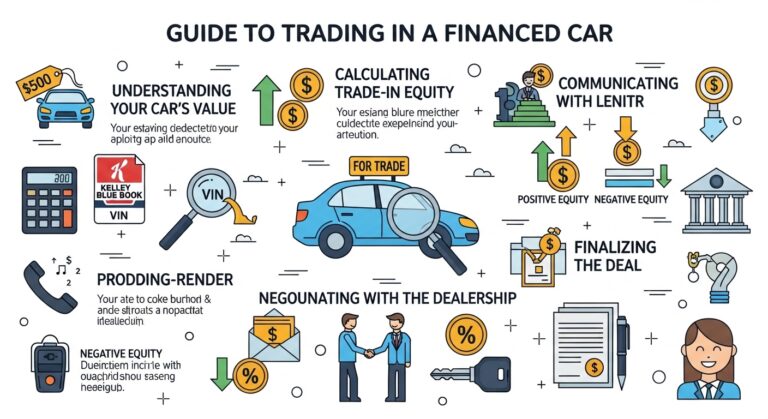
Step 2: Know Your Car’s Value (If Trading In)
If you plan to trade in your current vehicle, you must know its value beforehand. This knowledge significantly strengthens your position to negotiate car price successfully. Dealers may try to lowball your trade-in to increase their profit margin on the deal. Avoid this situation by being prepared.
Use online valuation tools such as Kelley Blue Book or NADAguides (now part of J.D. Power) to estimate the value of your trade-in. These tools consider factors like the car’s condition, mileage, and options. Moreover, get quotes from multiple sources, including online car-buying services and dealerships. This provides you with a range of values, increasing your leverage during negotiations.
Prepare Your Vehicle
Before bringing your car to the dealership, prepare it to make a better impression. Consider detailing it, cleaning the interior, and ensuring it’s in good working order. These actions can positively impact the dealer’s perception of your vehicle, potentially leading to a higher trade-in offer. Also, gather any maintenance records, as these validate the condition of your car.
Step 3: Secure Pre-Approved Financing
Obtaining pre-approved financing is an important step toward successfully attempting to negotiate car price. This process ensures that you know your financing terms, including the interest rate and the total loan amount, before visiting the dealership. Having this knowledge empowers you and clarifies your financial boundaries, giving you an edge over a dealer who is trying to sell you their own finance plan.
Contact your bank, credit union, or online lenders to get pre-approved for a car loan. They will evaluate your creditworthiness and provide you with a pre-approval certificate or loan offer. The pre-approval lets you know the maximum amount you can borrow and the interest rate you qualify for.
Benefits of Pre-Approved Financing
Having pre-approved financing has multiple advantages:
- Better Negotiation Power: You’re less dependent on the dealer’s financing options, so you can focus on negotiating the car’s price.
- Transparency: You know your interest rate and the total cost of the loan, which protects you against potential dealer markups.
- Time Savings: You’ll save time at the dealership because the financing process is already complete.
Moreover, it’s worth comparing the dealer’s financing offers with your pre-approved rate to see which one provides the more favorable terms. The goal is to get the best deal that aligns with your financial capabilities.
Step 4: Visit Dealerships During the Right Time
Timing can be a significant advantage when you negotiate car price. Understanding the best times to visit a dealership can increase your chances of securing a more favorable deal.
Consider the following guidelines:
Timing Strategies
- End of the Month: Dealers often have sales quotas to meet, so you might find more willingness to negotiate.
- End of the Quarter: Dealers generally are highly motivated to reach end-of-quarter targets.
- End of the Year: During the last month of the year, dealers are eager to clear out inventory to make way for new models.
- Weekdays: Dealerships are typically less crowded during the week. Salespeople might be more focused on your needs.
Moreover, visit dealerships that are offering incentives and sales promotions to have even more room to work with the salespeople. This approach provides you with added leverage.
Step 5: Master the Art to negotiate car price
Understanding the techniques to negotiate car price involves staying confident when the deal is being made. Negotiating doesn’t mean being aggressive; instead, it means standing your ground while seeking the best possible price. Therefore, it’s essential to implement strategies that will lead you to a successful negotiation.
Begin by making an offer that is lower than the car’s asking price. Use your research data and the market value of the car (invoice price) to your advantage. Your initial offer should leave room for negotiation.
Key Negotiation Tactics
- Be Prepared to Walk Away: If the dealer isn’t offering a price you are comfortable with, be prepared to walk away. This demonstrates that you know your limits and are not desperate to make a deal. Often, the salesperson will then make a better offer to retain your business.
- Separate Negotiations: Negotiate the price of the car separately from the trade-in or financing. This will prevent the dealership from obfuscating the terms.
- Focus on the Out-the-Door Price: The out-the-door price is the total, including all taxes, fees, and the price of the vehicle. This is the amount you will pay, so focusing on it is essential.
- Avoid Emotion: Don’t express excitement about the car. Showing enthusiasm can reduce your negotiating power.
Furthermore, remain polite yet firm throughout the negotiation process. Being an educated consumer will give you the confidence you need to make the best decisions.
Step 6: Focus on the Out-the-Door Price
When you negotiate car price, always center on the “out-the-door price.” The out-the-door price is the total amount you will pay, including all taxes, fees, and add-ons. By zeroing in on this amount, you will know exactly what you’ll owe to the dealership.
Do the following to get a clear picture of the total price:
- Request a complete breakdown of all costs.
- Know your local sales tax rate to ensure you’re not being overcharged.
- Question any questionable fees or add-ons.
- Refuse to pay for items that you don’t need or want.
Hidden Fees
Be watchful for hidden fees, such as dealer prep fees or documentation fees. While some fees are legitimate, others are unnecessary and negotiable. Do not hesitate to question and try to remove any fees that are inflated or not required. Be certain the price agreement is clear before committing to purchasing the vehicle.
Moreover, compare the out-the-door price from several dealerships. This helps you identify the best offer and ensures transparency throughout the process.
Step 7: Walk Away if You Need To
Sometimes, the best move in a negotiation to negotiate car price is to walk away. If you cannot reach an agreement that aligns with your budget and financial objectives, you should be ready to remove yourself from the negotiation. Walking away conveys that you are serious about not overpaying for the vehicle, which can often push a dealership to offer you a better deal.
Before heading to a dealership, determine your walk-away point. Know the maximum you will pay for the car and be willing to stick to it. This strategy keeps you from being tempted to stretch your finances.
The Power of Walking Away
Walking away provides several key benefits during negotiations:
- Gives You Leverage: The dealership will want to keep your business, so they might return with a more aggressive offer.
- Protects Your Budget: You will not overspend by sticking to your spending guidelines.
- Avoids Emotional Decisions: It prevents you from making a hasty decision that you might regret later.
Furthermore, if you are not eager about purchasing that particular vehicle, be ready to walk, and remember that there are other vehicles available.
Additional Tips for a Successful Negotiation
To improve your chances of reaching an excellent deal, there are some extra, valuable tips to help you negotiate car price.
First, keep the following mindsets:
- Be Informed and Prepared: Conduct thorough research on the car you wish to buy before visiting the dealership.
- Treat the Salesperson with Respect: Be polite to the salesperson, and this can often ease the negotiation process.
- Don’t Rush: Take your time when shopping for a car. Having a relaxed approach can help you negotiate better.
Key Negotiation Principles
Here are some additional insights:
- Shop Around: Visit different dealerships to gain a variety of offers and use the competition to lower the price.
- Consider Leasing: Leasing is a possible alternative that can lower your monthly payments. Research what works best for you.
- Read Reviews: Before deciding, check online reviews on the make and model. This enables you to be better informed.
- Check for Incentives: Determine any promotional offers, such as rebates, that you might be eligible for.
Moreover, bringing a trusted friend or family member for a second opinion can make the process easier. They can provide an additional viewpoint and keep you focused on your objectives. Also, visit car insurance guides for more information.
Frequently Asked Questions About negotiate car price
How do I research car prices before going to the dealer?
Before visiting the dealer, you must gather enough data to gain insights into the prices of the car you are interested in. Use online resources like Kelley Blue Book or Edmunds to determine the fair market value–including both MSRP and the invoice price. This provides you with benchmarks for negotiation and allows you to find out at what price you would want to buy the car. Check on free financial calculators to help your budgeting skills during this time.
When is the best time to negotiate a car price?
The best time to negotiate car price is often towards the end of the month, quarter, or year. Dealers are eager to meet sales quotas during these periods. Weekdays, when dealerships are less busy, can also result in greater attention. Plus, consider shopping during promotion events or sales.
What should I know about trade-ins during negotiations?
When negotiating a trade-in, it’s essential to understand your existing car’s market value. Get valuations from several sources before starting negotiations. Negotiate the trade-in separately from the price of the new car to provide transparency. Knowing the car’s worth beforehand puts you in a place of strength.
How can I get pre-approved for a car loan?
Start by contacting your bank, credit union, or online lenders to get pre-approved for a car loan. They will assess your creditworthiness and supply you with a pre-approval certificate with the loan terms and interest rate. This will assist you to maintain your budget and provides you better leverage to negotiate car price at the dealership. Also, review credit tips before going further.
What are some common negotiation tactics to avoid?
Avoid rushing. Always review every detail of the agreement thoroughly. Don’t let yourself become emotionally tied to the car. Lastly, don’t focus only on the monthly payments because that might lead to hidden fees. Consult our career and jobs section before starting to get an understanding of the current job market to see if you can be financially aligned with a car purchase.
The Bottom Line on negotiate car price
Successfully navigating the car-buying process in 2026 relies on preparation, knowledge, and confidence. By taking the seven steps outlined in this guide, you can improve your chances of getting a fair deal. Always remember to begin with thorough research, secure financing, and hone your negotiation skills. Moreover, be prepared to walk away if you cannot reach an agreement that suits your financial needs. To be on top of the financial market, always check finance news. With these strategies, you will be well-equipped to negotiate car price and save money. Ultimately, purchasing a car is a significant financial decision, so you should ensure all aspects of the process align with your budget and financial objectives. Start researching, be informed, and start driving your new car!