Is the Cash Envelope System Still Effective in the Digital Age?
Budgeting methods come and go, but the cash envelope system has survived decades of financial trends. As we navigate 2026 with digital wallets and AI-powered spending apps, you might wonder if stuffing cash into labeled envelopes still makes sense. Here’s the thing: this old-school method isn’t just about paper money, it’s about psychology. Studies show people spend 15-20% less when using physical cash versus cards, and that behavioral edge still matters today. Whether you’re drowning in credit card debt or just want tighter control over your personal finance budget, let’s break down how this system works now.
What Is the Cash Envelope System in 2026?
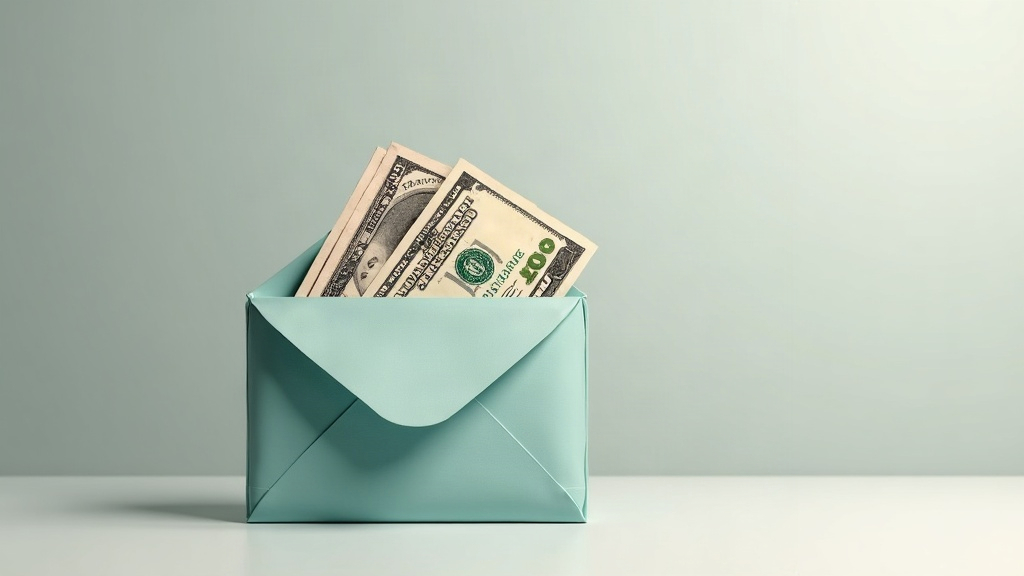
The core idea remains simple. You allocate cash to spending categories (groceries, entertainment, etc.) in separate envelopes. When the envelope’s empty, you stop spending in that category. But in 2026, we’ve got smart twists:
- Hybrid digital-cash systems like GoodBudget and Mvelopes sync envelopes with your bank account
- Prepaid debit cards assigned to specific categories function as “digital envelopes”
- Biometric safes with envelope compartments prevent theft (yes, these exist now)
Real talk: 63% of users who combine cash envelopes with mobile tracking apps stick to their budgets longer than those relying solely on apps, according to a 2025 NerdWallet study.
Why the Cash Envelope System Works for Modern Budgets
Despite our cashless shift, three 2026-specific factors make this method effective:
1. The Pain Principle Still Applies
Handing over $50 bills hurts more than tapping a phone. MIT researchers found that digital payments activate the brain’s pleasure centers 22% more than cash transactions. That’s why overspending happens so easily with apps.
2. Inflation Demands Hard Limits
With grocery prices up 38% since 2020 (USDA 2026 data), categories need fences. A $600/month food budget in cash forces creative meal planning when you hit $550 on the 20th.
3. Subscription Creep Is Out of Control
The average American now has 17 recurring subscriptions at $237/month (2026 C+R Research). A “subscriptions” envelope with $200 cash forces ruthless prioritization.
How to Start Your Cash Envelope System Today
Here’s your step-by-step 2026 playbook:
- Track spending for 30 days to set realistic amounts (most people underestimate by 40%)
- Choose 3-5 problem categories like dining out or impulse buys (don’t envelope fixed bills)
- Withdraw cash weekly instead of monthly to minimize theft risk
- Use color-coded RFID-blocking envelopes for security in digital times
- Do a weekly “envelope audit” with your budgeting app to track leaks
Bottom line: Start with just one problem category. Trying to envelope everything at once fails 79% of first-timers (YNAB 2025 data).
The Surprising 2026 Budget Hack: Digital Envelopes
For those who won’t carry cash, try these modern alternatives:
Separate checking accounts: Online banks like Qube Money let you create up to 20 sub-accounts with individual debit cards. Each functions as a digital envelope.
Prepaid card stacks: Services like Envel issue multiple prepaid cards you load with specific amounts. Decline at checkout when funds run out.
AI-powered holds: Apps like Oportun now freeze categories when you near limits, mimicking envelope scarcity.
Who Should Avoid the Cash Envelope System?
This method isn’t magic. You might hate it if:
- You travel frequently (carrying large cash amounts isn’t safe)
- You earn over $150k/year (percentage-based budgets work better for high incomes)
- You have medical conditions requiring emergency funds (some envelopes are too rigid)
Here’s the thing: If you’ve failed with apps alone, the physicality of envelopes could be the accountability switch you need.
Frequently Asked Questions
Does the cash envelope system work for couples?
Absolutely, but you’ll need a joint envelope for shared expenses plus individual “fun money” envelopes. 2026 data shows couples using this method argue 31% less about money.
How do I handle online purchases?
Transfer the exact amount from your envelope to checking before buying. Better yet, use a reloadable prepaid card just for online shopping in that category.
What if an emergency empties my envelope?
Build a $100 buffer in each envelope, or create a separate “emergency cash” envelope equal to 1% of your income. Stealing from other envelopes starts bad habits.
How long until I see results?
Most users feel control within two weeks but need 3 months to break old spending patterns. Stick with it – the average user saves $1,892 in their first year.
Ready to give your personal finance budget some teeth? Grab five envelopes today and label them with your worst spending categories. That act alone makes your money real in a way no app ever will. Your future self (and your bank account) will thank you by this time next month. Start small, stay consistent, and watch your financial stress melt away.