Tracking Money, Markets, and the World that Moves Them

Tracking Money, Markets, and the World that Moves Them
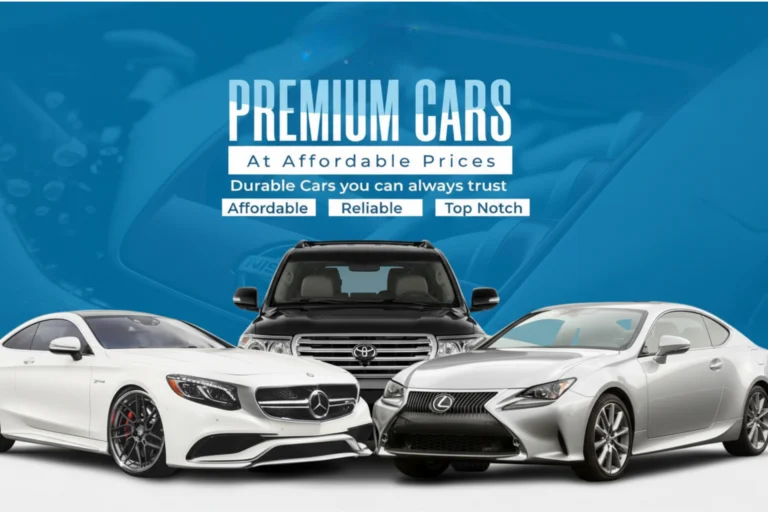
You know that feeling when you finally spot the car — the one that makes your heart race a little faster? The color is perfect, the seats hug you just right, and the smell of a new interior practically seals the deal. Then reality taps you on the shoulder: How much is this going to cost me every month?
That’s when you realize the purchase isn’t just about horsepower or style — it’s about auto financing deals. And if you don’t compare offers wisely, the same car could end up costing you thousands more over time.
The truth is, every car brand structures its financing a little differently. Some wave tempting 0% APR banners; others promote cashback bonuses or flexible terms. But unless you take the time to compare current auto financing deals, you’ll never really know which brand is giving you genuine value — and which one is just wrapping up higher costs in glossy marketing.
Let’s walk through this step-by-step so you can make a decision that fits your lifestyle, not just your driveway.
In simple terms, auto financing lets you buy a car by borrowing money from a lender — usually a bank, credit union, or the manufacturer’s finance division. Instead of paying the full amount upfront, you agree to monthly payments that include both the loan principal and interest.
When you compare auto financing deals, here are the key numbers that really matter:
Each of these factors can shift your total cost dramatically — and that’s why understanding them is the first step toward saving money.
Every automaker plays by its own rules when it comes to financing.
For instance, Toyota might push low-interest financing on its hybrids, while Ford offers cashback on SUVs. Hyundai could lure buyers with extended warranty perks. Knowing these brand-specific differences helps you focus on what actually fits your goals, not just what looks attractive in a commercial.
You don’t need to be a financial expert to do this right. With a bit of organization and curiosity, you can line up offers side-by-side and spot the real winner easily.
Start by visiting official car brand websites and dealership pages.
Keep a simple list or spreadsheet. The goal here is to capture the facts: APR, term length, down payment, and any bonus perks.
A visual breakdown helps you see how the numbers stack up.
Here’s an example of how you might set up your table:
| Brand | APR (%) | Loan Term (Months) | Down Payment | Special Incentives |
|---|---|---|---|---|
| Toyota | 3.9% | 60 | $2,000 | 0% APR for select models |
| Honda | 4.5% | 72 | $1,500 | $1,000 cashback |
| Ford | 2.9% | 48 | $3,000 | Loyalty discount |
| Hyundai | 3.5% | 60 | $2,000 | Free maintenance offer |
When you see this side-by-side, differences become obvious. Maybe Ford has the lowest APR, but the shorter term means higher monthly payments. Honda’s offer might be more flexible if you want a smaller down payment.
A low monthly payment doesn’t always mean a better deal.
To truly compare auto financing deals, calculate the total amount you’ll pay over the life of the loan, including interest.
Example:
Your total payment could reach around $32,500 after interest — meaning that 3.9% rate adds roughly $2,500 in costs. Use online calculators to see how small rate changes impact your total. Sometimes, shaving even 0.5% off your APR can save you hundreds.
Not all deals are about rates. Some brands throw in extras that boost long-term value:
Those extras can make one deal far more appealing, even if the APR isn’t the absolute lowest.


Before you walk into a dealership, check your credit score.
A high score opens the door to premium financing rates, while a lower one can limit your options. You can review your report for free through Experian, TransUnion, or Credit Karma.
If your score isn’t where you’d like it to be, take a few months to improve it. Paying off small debts or lowering your credit utilization can bump your score up — saving you thousands in interest later.
Let’s look at what major brands are currently offering so you know what to expect.
Each brand uses financing as a marketing tool — your job is to read between the lines and focus on the overall value, not just the headline number.
You might wonder: Should I stick with the automaker’s finance program or go to my bank?
Here’s a quick comparison:
| Financing Source | Pros | Cons |
|---|---|---|
| Manufacturer | Exclusive offers, special promotions, quick approval | Less flexibility, limited lenders |
| Bank/Credit Union | Customized terms, competitive rates for good credit | Approval takes longer, fewer incentives |
The best move? Get pre-approved by your bank first. That way, you’ll know your baseline rate — and you can use it as leverage when negotiating with a dealership.
Even if you’ve compared offers, a few insider tricks can help you lock in the absolute best rate:
By applying these small strategies, you could reduce your total payment by thousands — without changing the car you want.
Even savvy shoppers make these errors when comparing auto financing deals:
Avoid these traps, and your financing decision will feel a lot clearer — and a lot smarter.
Usually toward the end of the year, quarter, or month when dealers are eager to meet sales goals. You’ll often see special financing offers pop up during these times.
Keep your credit score healthy, make a solid down payment, and bring proof of stable income. Pre-approval from your bank can also give you negotiating power.
They can be — but only if you qualify and the dealer doesn’t quietly increase the car’s price to offset it. Always calculate the total loan cost.
You can’t usually change the published APR, but you can negotiate related costs like your trade-in value or additional fees, which lower your overall expense.
Leasing might make sense if you like upgrading cars often or prefer lower upfront costs. But financing gives you ownership — which means long-term value.
By now, you know how to read between the lines of flashy dealership banners and clever marketing terms. You understand how APR, loan terms, and brand perks all come together to shape the real cost of your car.
When you compare current auto financing deals from different car brands, you’re not just hunting for a lower rate — you’re taking control of your financial future. That’s empowering. It means the car in your driveway isn’t just a symbol of success — it’s proof that you made a smart, informed decision.